
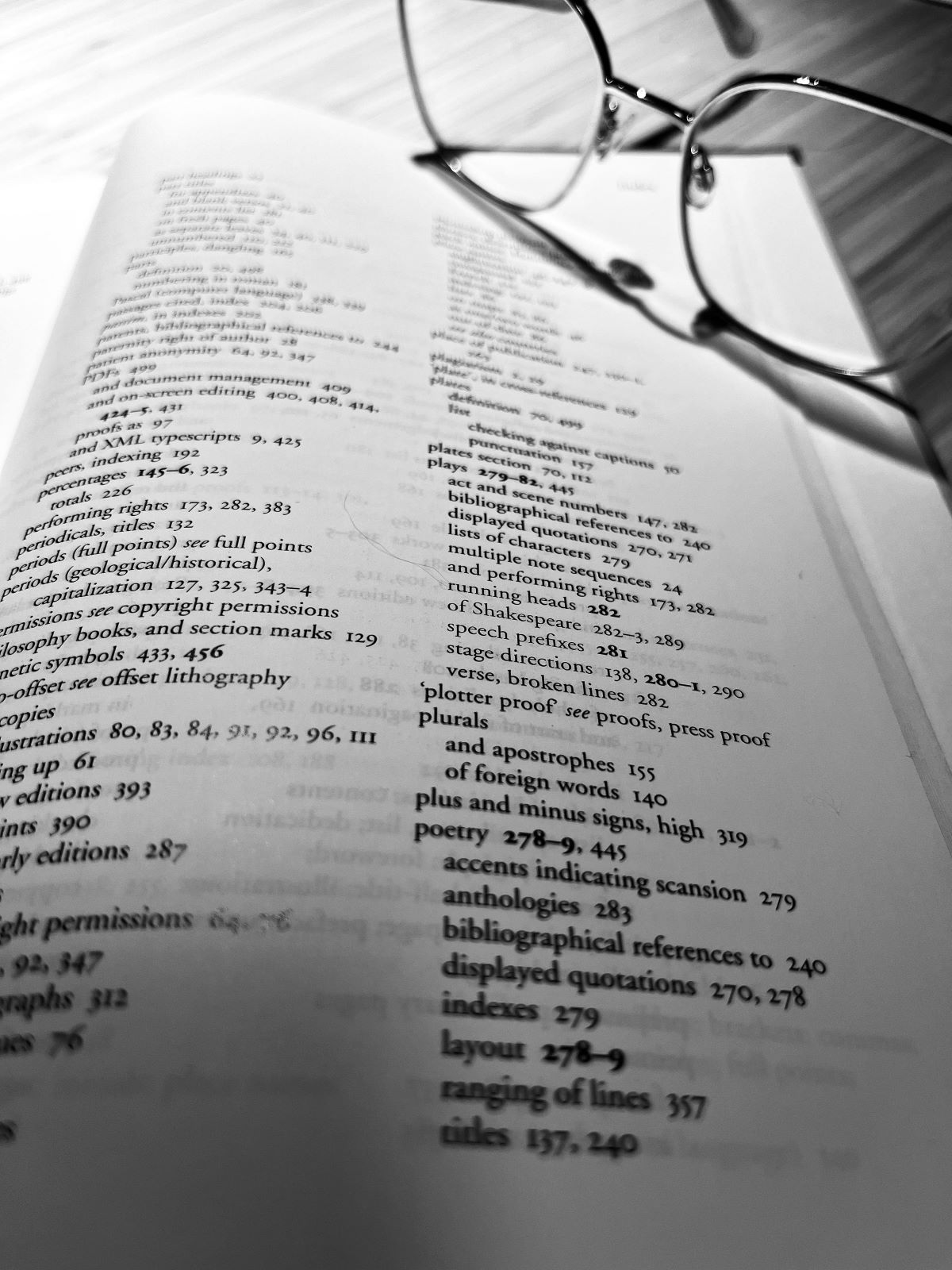
What processes does book indexing include?
Indexing aims to create a well-crafted, easy-to-navigate and helpful tool for readers, leading them to the information they need to retrieve using the shortest, quickest …
Indexing aims to create a well-crafted, easy-to-navigate and helpful tool for readers, leading them to the information they need to retrieve using the shortest, quickest …

Line editing rates vary depending on factors like the editor’s experience, the complexity and volume of your manuscript and geographical location. For instance, the Editorial …
From my perspective as an editor, it appears that writers might not always consider it when working on their book manuscripts. However, effective localisation may contribute to rendering their manuscripts more authentic and relevant. So, in this post, I am looking at language localisation, the key considerations for effective language localisation and its importance for authors.
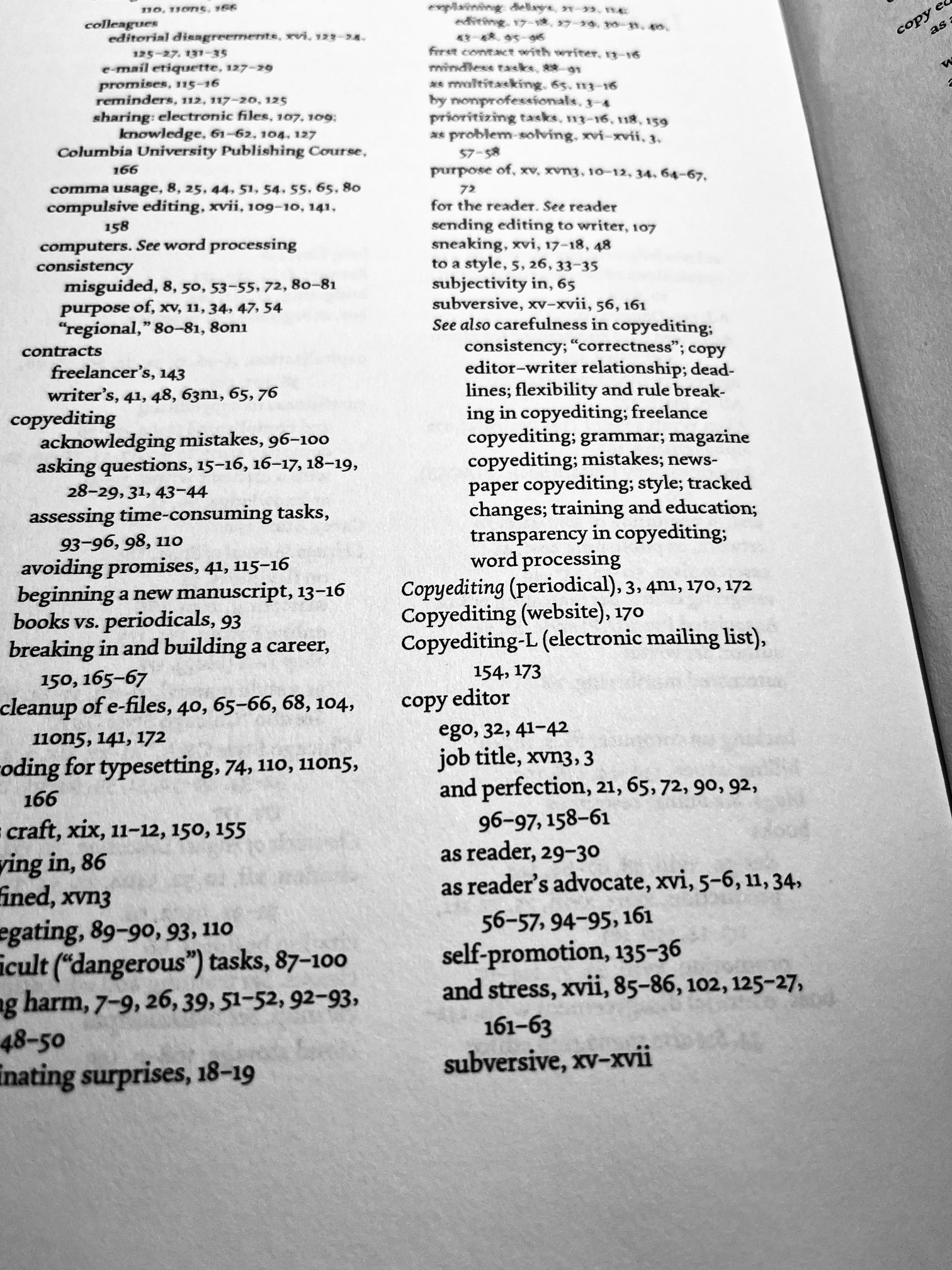
In this post, I discuss a few issues surrounding indexing that are close to my heart: what indexing and copyediting have in common, why we still need human indexers and if content lists are sufficient indicators the users can use to find the information they seek from the text?
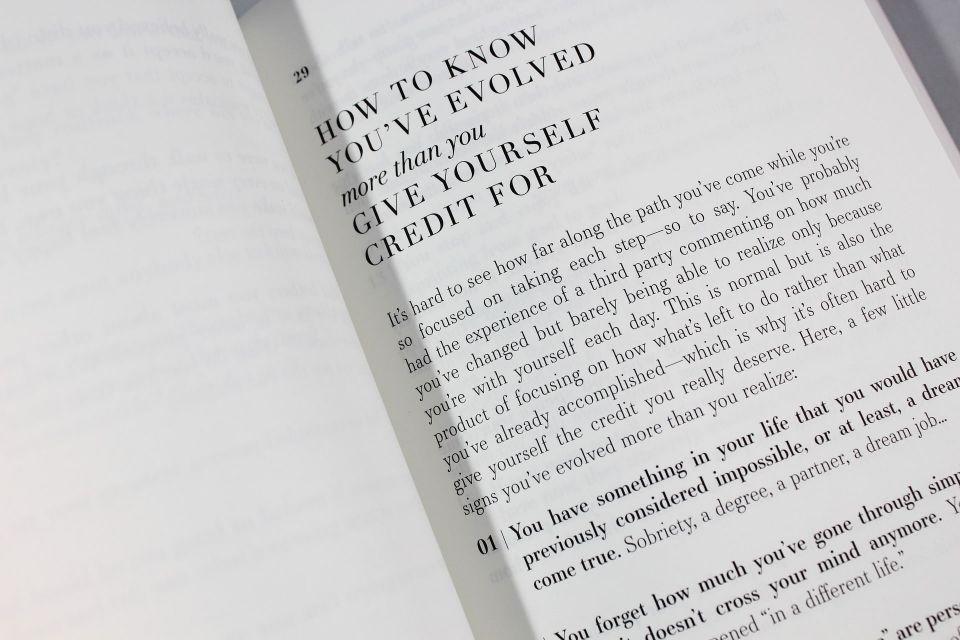
In this post, I share my findings about how to write a self-help book that can actually change lives inspired by my recent editing experiences. I also discuss my golden rule language in the self-help genre: be specific, respectful and aware of the impact your words may have.
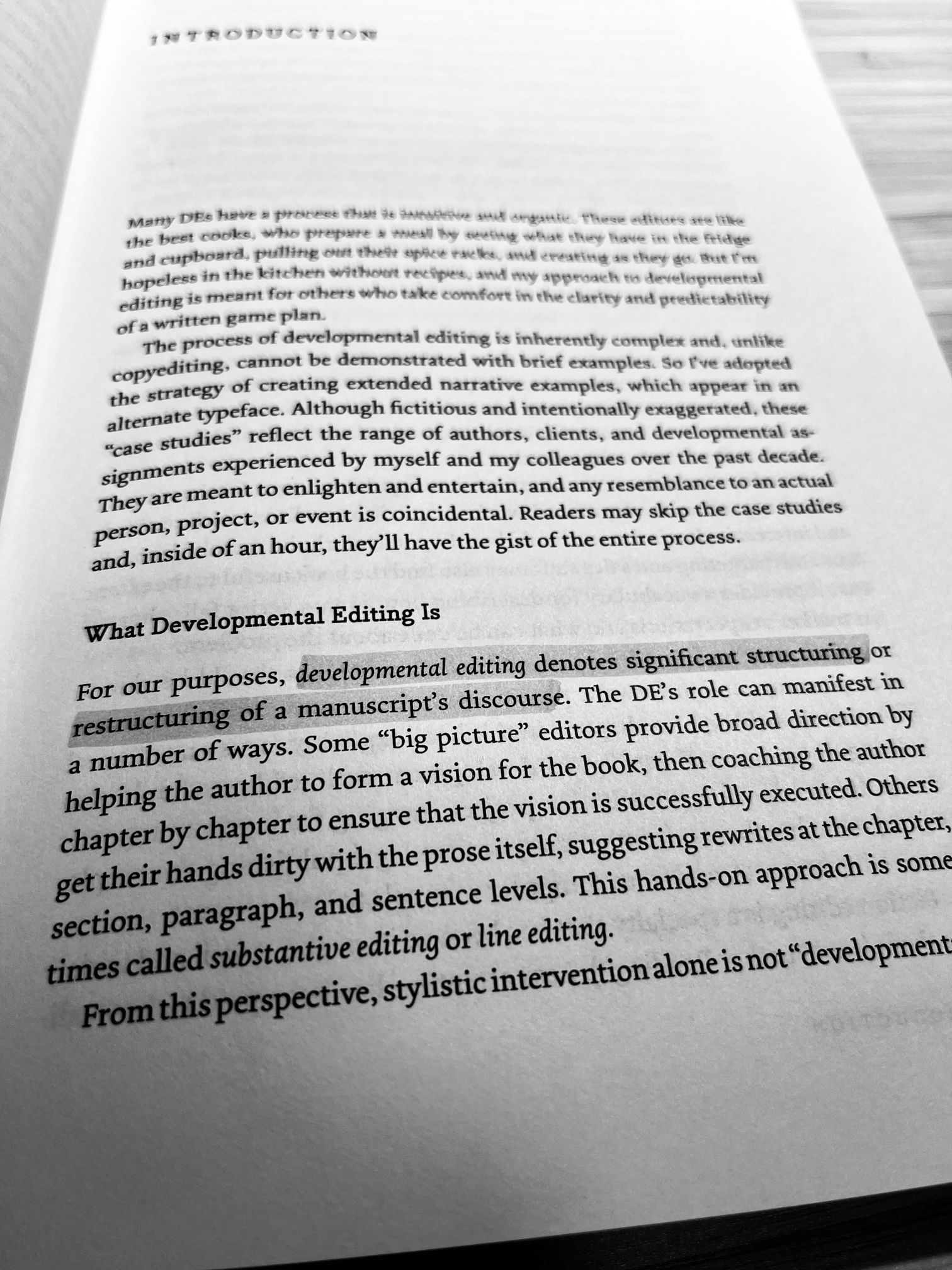
I discuss how to carry out a developmental edit of your non-fiction book, touching upon what developmental editing is, its purpose and its four components: content, structure, clarity and flow.

In this post, I walk you through how to structure a non-fiction book, starting with the working outline of the content, then the introduction, conclusion and, of course, all the chapters in between.

This post opens the series of guides for non-fiction authors (academic and non-narrative non-fiction writers will find it most useful); it discusses how to prepare to write a book proposal and what it should include when you finally sit down to it.

How we write about mental health matters. In this post, I discuss language that needs to be chosen carefully not only to be respectful, inclusive and unbiased but also to help reduce the stigma around mental illness.

Writing inaccurately about age, disability and disease, race and ethnicity and sex and gender may create bias and be offensive or dehumanising. In this post, I discuss how to use accurate language in a scientific setting to report the findings while describing people involved respectfully and without bias.
I'm a freelance editor and indexer with a PhD in literary history. I work with non-fiction, academic and business texts.
Incorporated in England and Wales. Company number: 10809565. Registered office: 124 City Road, London, England, EC1V 2NX
© MWEditing 2023